


Why Cold Weather Makes Knee Pain Worse
Many people notice a clear pattern when winter arrives: knee pain becomes more frequent, stiffness increases, and movement feels heavier. This is not just a coincidence. Cold weather can directly influence how joints and surrounding muscles behave.
When temperatures drop, muscles tend to tighten, and blood circulation naturally slows down. For the knees—one of the most active and weight-bearing joints in the body—this combination often leads to stiffness, reduced flexibility, and discomfort during movement.
People with previous injuries, arthritis, or chronic joint sensitivity are especially affected. Even simple activities like walking, climbing stairs, or standing up can feel more difficult during cold months. knee massager uk is an important product in such situations.
The Science Behind Weather-Related Joint Pain
Although weather itself does not “damage” joints, it can influence how they feel and function. Lower temperatures cause soft tissues around the knee to contract slightly, making movement less smooth.
At the same time, reduced blood flow means less oxygen and nutrient delivery to muscles and connective tissues. This can increase the sensation of tightness and make existing discomfort more noticeable.
Changes in atmospheric pressure during winter may also contribute to joint sensitivity. Some individuals report feeling more pressure or aching in their knees before cold fronts or weather changes.
Why Knees Are Especially Vulnerable in Winter
The knee joint depends heavily on surrounding muscles for support and stability. When cold weather causes these muscles—especially the quadriceps, hamstrings, and calves—to tighten, the knee loses some of its natural flexibility.
This can lead to a cycle of stiffness:
tight muscles → reduced movement → poorer circulation → increased stiffness.
Without intervention, this cycle can make winter discomfort feel progressively worse over time.
How a Heated Knee Massager Provides Relief
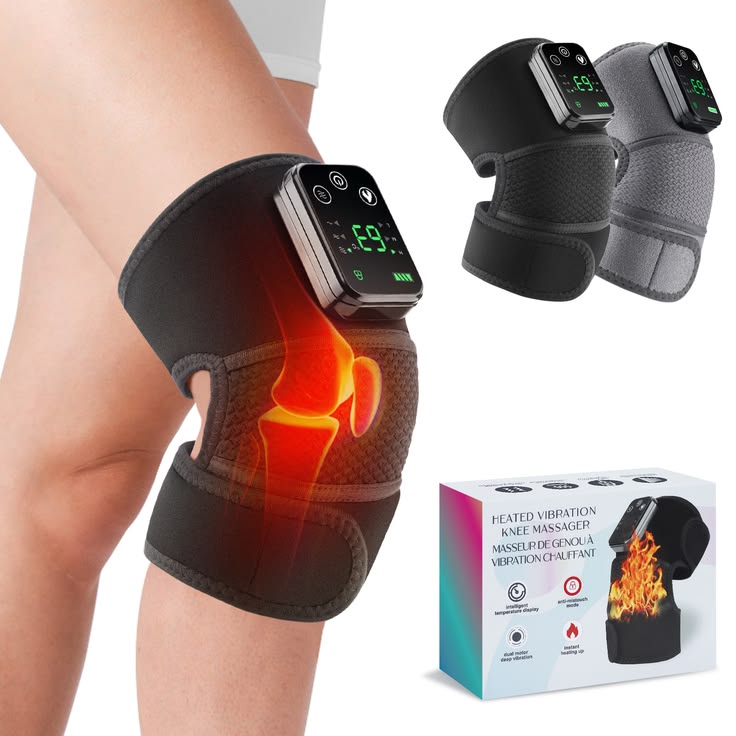
A heated knee massager helps break this cycle by combining warmth with gentle compression or vibration. Heat is one of the most effective ways to counteract cold-induced stiffness because it directly improves blood circulation and relaxes tight muscles.
When warmth is applied to the knee area, blood vessels expand, allowing more oxygen and nutrients to reach the tissues. This helps reduce the feeling of heaviness and improves joint mobility.
Compression or massage features add another layer of benefit by gently stimulating the muscles around the knee. This helps release tension in key supporting muscles, making movement smoother and less restricted.
Together, heat and massage create a supportive environment that helps the knee function more comfortably during cold weather.
Pre-Winter and Winter Use for Prevention
A heated knee massager is not just useful when pain appears—it can also be used preventively during winter months.
Using it before outdoor activity helps warm up the joint, making walking or exercise feel easier and reducing the risk of stiffness-related strain. A short session can prepare the muscles for movement, especially in cold morning or evening conditions.
After activity, it helps relax tired muscles and prevents stiffness from setting in during rest. This is especially helpful for people who spend long hours sitting or working in cold environments.
Supporting People with Chronic Knee Sensitivity
For individuals with long-term knee issues, winter often amplifies existing discomfort. Conditions like arthritis, past ligament injuries, or general joint wear can become more noticeable during colder months.
A heated knee massager provides consistent support by maintaining warmth around the joint and preventing the surrounding muscles from tightening too much. This can help reduce daily discomfort and improve mobility during winter routines.
While it does not replace medical treatment, it can serve as a helpful supportive tool for managing seasonal flare-ups.
Safe and Effective Winter Use
To get the best results, a heated knee massager should be used in a controlled and comfortable way. Heat levels should remain moderate—enough to warm the area without causing discomfort.
Sessions of 10 to 20 minutes are typically sufficient for most users. It is best used while resting, before activity, or after a long day of movement.
Consistency is more effective than intensity. Regular use during winter helps maintain flexibility and reduces the buildup of stiffness over time.
Staying Active Despite Cold Weather
One of the biggest challenges in winter is staying active when the body feels stiff and unmotivated. Knee discomfort often leads people to reduce movement, which can make stiffness worse.
A heated knee massager helps break this cycle by making movement more comfortable. When the knees feel warm and relaxed, it becomes easier to stay active, walk regularly, and maintain exercise routines even in cold conditions.
This helps support both physical health and overall well-being during winter months.
Conclusion
Weather-induced joint pain is a common winter challenge, especially for the knees. Cold temperatures can increase stiffness, reduce circulation, and make movement feel more difficult.
A heated knee massager offers a simple and effective way to counter these effects by warming the joint, improving blood flow, and relaxing tight muscles. When used consistently, it helps reduce winter discomfort and supports smoother, more comfortable movement.
For anyone struggling with cold-weather knee pain, this tool can make winter not just manageable—but significantly more comfortable.
