


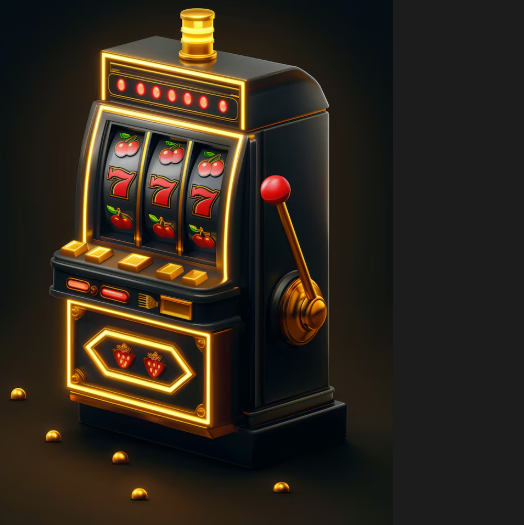
The world of slot games has changed dramatically over the past century. What began as simple mechanical machines with spinning reels has evolved into highly advanced digital entertainment experiences. Today, online slots combine graphics, storytelling, sound design, and interactive features that were unimaginable in the early days. In many discussions around modern gaming trends, the phrase slot gacor is often used by players to describe games perceived as more frequently rewarding or “hot,” reflecting how player culture evolves alongside technology.
The Birth of Classic Mechanical Slot Machines
The earliest slot machines appeared in the late 19th and early 20th centuries. These machines were entirely mechanical, operated by levers and gears. Players would pull a handle, causing physical reels to spin and eventually stop at random symbol combinations.
The most famous early machine, often referred to as the “Liberty Bell” style slot, used simple symbols like horseshoes, bells, and playing card icons. Wins were rare, and gameplay was straightforward. Despite this simplicity, these machines quickly became popular in bars, saloons, and casinos due to their easy-to-understand mechanics and instant reward system.
The Transition to Electromechanical Slots
By the mid-20th century, slot machines began incorporating electrical components. This innovation allowed for flashing lights, sound effects, and more complex payout systems. These electromechanical machines still had physical reels but were controlled partly by electronic circuits.
This era marked the beginning of more engaging gameplay experiences. Bonus features, multiple paylines, and higher jackpot possibilities started to appear, laying the foundation for modern slot design.
The Rise of Video Slots
The biggest transformation came in the late 1970s and 1980s with the introduction of video slot machines. Instead of physical reels, these machines used digital screens to simulate spinning reels.
This change gave developers nearly unlimited creative freedom. Themes expanded from fruits and numbers to adventure stories, mythology, fantasy worlds, and branded entertainment. Bonus rounds, mini-games, and interactive features became standard.
Video slots also introduced Random Number Generators (RNGs), ensuring fair and unpredictable outcomes while enabling more complex game mechanics.
The Digital Revolution: Online Slots
With the rise of the internet in the 1990s and early 2000s, slot games moved into the online space. Players could now access hundreds of different slot titles from their computers without visiting physical casinos.
Online slots quickly evolved beyond their land-based counterparts by offering:
- Thousands of themed games
- Progressive jackpots
- Free spin features
- Mobile compatibility
- Advanced animations and sound design
This period also saw the emergence of player communities that discussed game behavior, payout patterns, and perceived winning streaks.
Modern Slot Design and Player Culture
Today’s online slots are highly sophisticated. Developers use advanced graphics engines, cinematic storytelling, and even 3D animation to create immersive experiences. Some games feel more like video games than traditional gambling machines.
Within modern gaming communities, terms like slot gacor have become popular. This phrase is often used informally by players to describe slot games that seem to pay out more frequently during certain sessions. While outcomes in regulated slots are always determined by RNG systems, such cultural terms reflect how players interpret patterns and experiences in real time.
Modern slots also focus heavily on engagement mechanics such as:
- Expanding wilds
- Cascading reels
- Multipliers
- Interactive bonus rounds
- Seasonal and event-based themes
Mobile Gaming and the Accessibility Boom
One of the biggest shifts in recent years is the move toward mobile-first gaming. Most online slots are now designed for smartphones and tablets, allowing players to spin reels anywhere at any time.
This accessibility has significantly increased the popularity of slot gaming worldwide. Developers optimize games for touch controls, vertical screens, and quick loading times, making the experience seamless and highly engaging.
The Future of Online Slots
The future of slot games is likely to include even more advanced technologies such as:
- Virtual Reality (VR) casino environments
- Augmented Reality (AR) gameplay elements
- AI-driven personalized gaming experiences
- Fully interactive story-based slot adventures
As technology continues to evolve, online slots will likely become even more immersive, blurring the line between gaming and entertainment.
Conclusion
From the simple mechanical Liberty Bell machines to today’s cinematic online experiences, slot games have undergone a remarkable transformation. They have evolved alongside technology, adapting to player expectations and digital innovation.
Modern trends and player expressions like slot gacor highlight how gaming culture continues to grow and change with time. While the mechanics remain rooted in chance and randomness, the experience has become richer, more interactive, and more visually engaging than ever before.
