


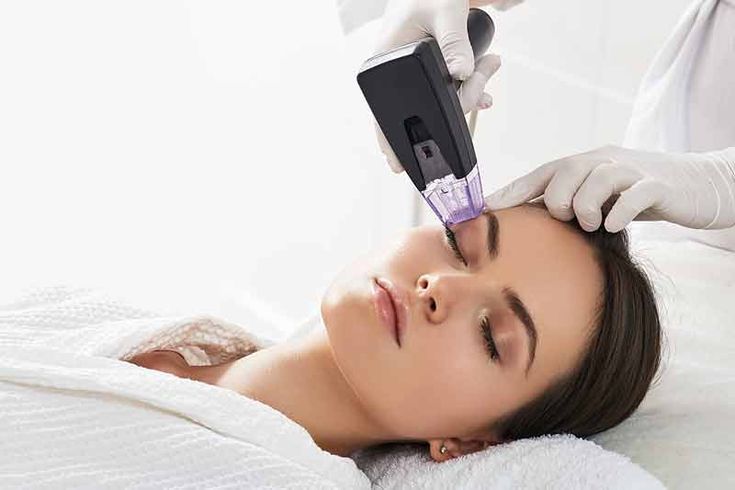
Acne may disappear over time, but the scars it leaves behind can remain for years. From uneven texture and depressed scars to dark spots and redness, acne marks can affect confidence and make the skin appear less smooth. Fortunately, modern skin resurfacing treatments offer effective solutions for improving the appearance of acne scars and restoring a more even complexion.
While skincare products can help support healthy skin, deeper acne scars often require professional treatments that stimulate collagen production and remodel damaged tissue. The best approach Venus Viva Skin Resurfacing in The Woodlands depends on the type of acne scars you have, your skin type, and your desired results.
Understanding Acne Scars
Acne scars develop when inflammation from acne damages the skin’s deeper layers. During the healing process, the body may produce too little or too much collagen, resulting in changes to the skin’s surface.
There are several types of acne scars:
Atrophic Scars
These scars appear as depressions or indentations in the skin due to collagen loss.
Common types include:
- Ice pick scars
- Boxcar scars
- Rolling scars
Hypertrophic Scars
These raised scars occur when the body produces excess collagen during healing.
They are more common on areas such as:
- Chest
- Shoulders
- Back
Post-Inflammatory Hyperpigmentation
These are dark spots left behind after acne heals.
Unlike true scars, pigmentation changes usually improve more easily with the right treatments.
Why Resurfacing Treatments Work
Skin resurfacing treatments focus on stimulating the body’s natural repair process.
They work by:
- Removing damaged skin cells
- Encouraging new skin growth
- Stimulating collagen production
- Improving skin texture
- Reducing uneven tone
Collagen is especially important because it provides structure and firmness to the skin. Increasing collagen levels can help soften depressed scars and create a smoother appearance.
1. Fractional CO2 Laser Resurfacing
Fractional CO2 laser treatment is one of the most powerful options for improving acne scars.
How It Works
The laser creates thousands of microscopic treatment zones in the skin. These controlled injuries trigger the body’s healing response, leading to new collagen formation and skin remodeling.
Best For:
- Deep acne scars
- Boxcar scars
- Rolling scars
- Uneven texture
- Wrinkles caused by skin damage
Benefits:
- Significant texture improvement
- Strong collagen stimulation
- Long-lasting results
Because fractional CO2 lasers are more intensive, patients should expect a recovery period involving redness, peeling, and sensitivity.
2. Microneedling for Acne Scars
Microneedling is a popular minimally invasive treatment designed to stimulate collagen naturally.
How It Works
Tiny needles create controlled micro-injuries in the skin, encouraging the body to produce new collagen and elastin.
Benefits:
- Improves depressed acne scars
- Smooths uneven texture
- Enhances skin firmness
- Minimal downtime
Microneedling is especially effective for rolling scars and mild to moderate texture concerns.
3. Radiofrequency Microneedling
RF microneedling combines traditional microneedling with radiofrequency energy.
How It Works
The needles deliver heat energy into deeper layers of the skin, stimulating stronger collagen remodeling.
Advantages:
- Deeper collagen stimulation
- Improved skin tightening
- Reduced scar appearance
- Better texture refinement
This treatment can be particularly useful for individuals who want scar improvement along with skin tightening benefits.
4. Chemical Peels
Chemical peels use exfoliating solutions to remove damaged surface layers of skin.
How They Help Acne Scars
Peels can improve:
- Post-acne discoloration
- Mild texture problems
- Uneven skin tone
- Dullness
Common peel ingredients include:
- Salicylic acid
- Glycolic acid
- Lactic acid
- Trichloroacetic acid (TCA)
Best For:
Chemical peels are often most effective for:
- Dark acne marks
- Mild scars
- Surface-level texture issues
Deeper scars usually require collagen-stimulating treatments.
5. Dermabrasion
Dermabrasion is an older resurfacing technique that uses controlled mechanical exfoliation.
How It Works
A specialized tool removes damaged outer layers of skin, allowing smoother skin to develop.
It may help improve:
- Acne scars
- Uneven texture
- Surface irregularities
However, modern laser treatments are now more commonly chosen because they offer greater precision and customization.
6. Dermal Fillers for Depressed Acne Scars
Some acne scars are caused by volume loss beneath the skin.
Dermal fillers can temporarily raise depressed scars by restoring volume underneath them.
Best For:
- Rolling scars
- Certain boxcar scars
Benefits:
- Immediate improvement
- Minimal downtime
- Can complement other resurfacing treatments
Fillers do not remove scars but help create a smoother skin surface.
7. Subcision for Deep Rolling Scars
Subcision is a technique designed specifically for certain depressed acne scars.
How It Works
A small needle is inserted beneath the skin to release fibrous bands pulling the scar downward.
Benefits include:
- Improved scar elevation
- Better skin texture
- Long-lasting improvement
It is often combined with other treatments such as lasers or fillers for enhanced results.
Choosing the Right Treatment for Your Skin
The best acne scar treatment depends on the type of scars you have.
Ice Pick Scars
Often treated with:
- TCA CROSS
- Fractional lasers
- Punch techniques
Rolling Scars
Common treatments include:
- Subcision
- Microneedling
- RF microneedling
- Fillers
Boxcar Scars
May respond well to:
- Fractional CO2 lasers
- Microneedling
- Dermabrasion
- Combination treatments
A professional evaluation is essential because many people have multiple scar types requiring a customized approach.
How Many Treatments Are Needed?
Results depend on:
- Scar depth
- Treatment method
- Skin healing ability
- Individual goals
Some procedures show improvement after one session, while others require a series of treatments.
Collagen-based treatments often continue improving for several months as the skin rebuilds itself.
Post-Treatment Care for Better Results
Proper aftercare plays an important role in healing.
Important steps include:
- Wearing sunscreen daily
- Avoiding excessive sun exposure
- Keeping skin moisturized
- Following provider instructions
- Avoiding harsh skincare products during recovery
Sun protection is especially important because treated skin can be more sensitive to pigmentation changes.
Can Skincare Products Remove Acne Scars?
Topical products can help improve certain concerns, especially pigmentation and mild texture issues.
Helpful ingredients include:
- Retinoids
- Vitamin C
- Niacinamide
- Alpha hydroxy acids
- Salicylic acid
However, creams and serums generally cannot remove deep acne scars because they cannot rebuild lost collagen in deeper skin layers.
Combining Treatments for Best Results
Many patients achieve the best outcomes through combination therapy.
A customized plan may include:
- Laser resurfacing plus microneedling
- Subcision plus fillers
- Chemical peels with collagen-stimulating treatments
Combining approaches allows providers to address different aspects of scarring at the same time.
Conclusion
Acne scars no longer have to be a permanent reminder of past breakouts. Advances in resurfacing technology have created several effective treatments that can improve skin texture, stimulate collagen, and restore a smoother complexion.
From fractional CO2 lasers and RF microneedling to chemical peels, subcision, and fillers, the right solution depends on your unique skin concerns and scar type. With a personalized treatment plan and proper skincare habits, achieving clearer, smoother, and more confident-looking skin is possible.
