


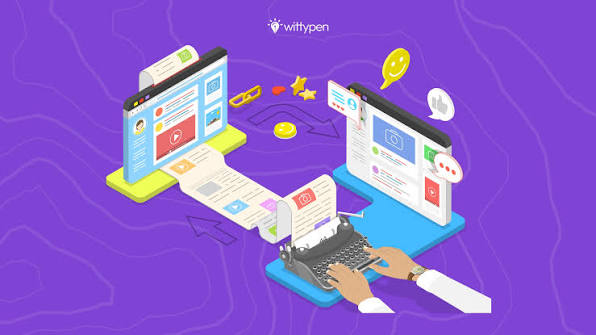
A thoughtful mention on a relevant blog can introduce a small business to readers who are already interested in what it offers. For a startup, that may mean reaching early customers; for a travel company, it could mean appearing in front of people planning a trip. The key is to treat blogger outreach as relationship-building, not a request to publish a sales pitch.
Start with a clear purpose
Before making a list of bloggers, decide what you want outreach to accomplish. Possible goals include earning referral visits, sharing useful expertise, introducing a new product, or building recognition in a particular community. Choose one primary goal for each campaign. It will help you find suitable publishers and judge whether the work was worthwhile.
Make the goal specific enough to guide decisions. “Get more exposure” is difficult to measure; “introduce our new walking tour to readers interested in independent city breaks” gives you a clearer audience and a topic to pitch. Think about what a reader should learn or be able to do after seeing the eventual article.
Find blogs that fit the audience
A large audience is not automatically a relevant one. Look for blogs whose subject, tone, and readership overlap with your offer. A small, specialist site may be a better match for a niche product than a general publication with a much larger following.
Review recent posts rather than relying on a site description alone. Notice whether articles are practical, personal, analytical, or strongly opinionated. Check that the blog is still publishing and that its content is consistent with the values you want your brand associated with. For a travel pitch, for example, a blog focused on accessible travel may be a better fit than one that only covers luxury resorts.
Keep a simple prospect list with the publication name, relevant article or topic, contact details, and a note about why the audience is a match. This makes it easier to personalize your message and prevents sending the same generic pitch to everyone.
Offer a useful angle
Editors and bloggers need material their readers will value. Instead of leading with your company history, suggest a specific story that draws on your knowledge. A startup that helps people manage household energy might offer a practical checklist for renters. A local travel business could explain how to plan a low-stress weekend without a car.
Strong ideas are timely when appropriate, but they do not depend on a trend to be useful. They also have a clear point of view, credible supporting information, and enough substance to stand on their own. If you are still shaping a campaign, a complete guide to blogger outreach can help you think through the process and the different ways to approach publishers.
Write a concise, personal pitch
Address the recipient by name when possible, and show that you have actually read their work. Mention a recent article or explain why your proposed idea suits their readership. Then state the angle in a sentence or two and briefly explain what you can contribute, such as original research, expert commentary, photographs, or access to a product for review.
Keep the message easy to scan. A useful pitch includes:
- A clear subject line that reflects the proposed topic.
- A short, relevant introduction.
- The story idea and why it may interest that blog’s readers.
- Any useful evidence, expertise, or materials you can provide.
- A low-pressure question about whether the idea might be a fit.
Avoid exaggerated claims and mass-email language. Do not assume that a blogger will publish a piece simply because you have sent a product or offered a service. Be transparent about what you are asking for, and respect the publisher’s editorial judgment.
Plan the work and the budget
Outreach often involves more than writing an email. You may need research, copywriting, design, photography, translation, or help organizing a campaign. Decide which tasks your team can handle and where outside support would save time. If you hire freelancers, define the deliverable, deadline, revision process, and rights to any materials before work begins. A marketplace such as Osdire lets buyers find freelancers across categories including writing, design, photography, and marketing; its flat pricing and payment process can make project costs easier to understand.
Set a realistic budget for the whole campaign, not just the initial pitch. Factor in the time needed to research prospects, prepare materials, follow up, and assess results. Paid placements, gifted products, and editorial coverage are different arrangements, so agree on expectations and disclose relationships where required.
Follow up and learn
If you receive no reply, one polite follow-up after a reasonable interval is usually enough. Keep it brief and make it easy for the recipient to decline. If the idea is not a fit, thank them and move on; a respectful exchange can leave the door open for a more suitable topic later.
Track outcomes that relate to your original goal. You might record replies, published stories, referral visits, enquiries, or newsletter sign-ups. Do not judge a campaign only by the number of links or mentions. A single well-matched feature can bring more meaningful attention than several placements with little connection to your audience.
Make outreach a relationship, not a transaction
Good outreach is selective, useful, and considerate of the publisher’s time. Keep your promises, provide accurate information promptly, and share the finished article with your team when it appears. Over time, those habits can turn a one-off pitch into a professional relationship that benefits both the business and the blog’s readers.
