


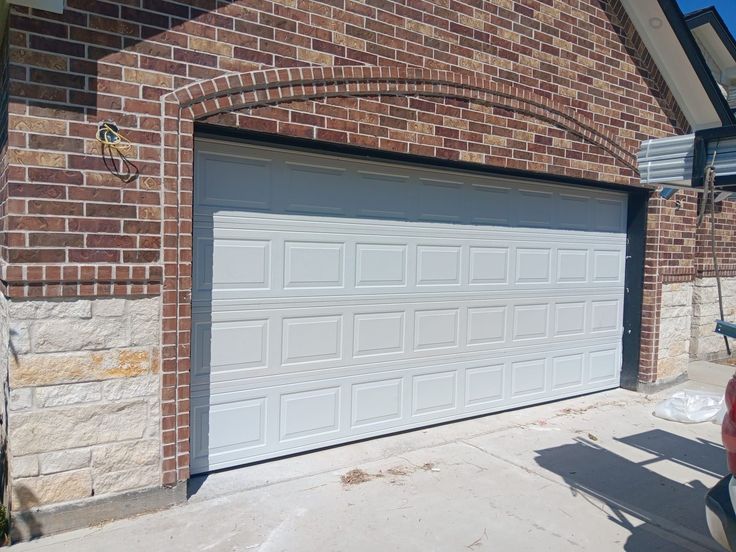
A garage door is often viewed as a security feature or a way to improve curb appeal, but its impact on a home’s energy efficiency is equally important. An old, damaged, or poorly insulated garage door can allow heat and cold air to enter your home, forcing your HVAC system to work harder. Replacing it with a modern, energy-efficient garage door services Phoenix AZ can significantly reduce energy consumption, improve comfort, and lower utility bills.
Why Garage Door Energy Efficiency Matters
For many homes, the garage is one of the largest openings in the building envelope. If the garage door is not properly insulated or sealed, it can become a major source of energy loss. This is especially true for attached garages where temperature fluctuations can affect adjacent living spaces.
During winter, cold air can seep through gaps around the door. In summer, excessive heat can enter the garage and spread to nearby rooms. These temperature changes increase the workload on heating and cooling systems, leading to higher energy costs.
The Role of Insulation in Modern Garage Doors
One of the biggest advantages of installing a new garage door is improved insulation. Modern garage doors are often designed with insulated cores made from materials such as:
Polyurethane Insulation
Polyurethane is injected between door panels, creating a dense, energy-efficient barrier. It offers excellent thermal resistance and strengthens the door structure.
Polystyrene Insulation
Polystyrene panels are fitted between layers of the garage door. While slightly less effective than polyurethane, they still provide significant insulation benefits.
Multi-Layer Construction
Many energy-efficient garage doors feature steel or aluminum exterior panels combined with insulation layers. This design improves thermal performance and durability.
Understanding R-Value
When shopping for a new garage door, you’ll likely encounter the term “R-value.” This measurement indicates the door’s resistance to heat flow.
Higher R-values mean better insulation performance. For example:
- R-6 to R-9: Basic insulation
- R-10 to R-13: Moderate energy efficiency
- R-14 and above: High-performance insulation
Homeowners in regions with extreme temperatures often benefit from choosing garage doors with higher R-values.
Reduced Heat Transfer
A well-insulated garage door helps maintain more stable temperatures inside the garage. This reduces heat transfer between the garage and the rest of the home.
Benefits include:
- Less heat loss during winter
- Reduced heat gain during summer
- Improved indoor comfort
- Lower HVAC operating costs
Even if the garage itself is not climate-controlled, reducing temperature swings can positively impact rooms located above or adjacent to the garage.
Improved Weather Sealing
Modern garage doors are equipped with advanced weather-stripping systems designed to minimize air leaks.
Bottom Seals
Flexible rubber seals create a tight barrier between the garage door and the floor, preventing drafts and moisture intrusion.
Side and Top Weather Stripping
High-quality weather seals along the edges of the door block air infiltration and improve overall energy performance.
Threshold Seals
Additional threshold systems can further enhance protection against water, dust, insects, and temperature loss.
Together, these sealing components help create a more energy-efficient garage environment.
Better Temperature Control for Attached Garages
Attached garages directly influence a home’s overall energy efficiency. Without proper insulation, garages can become extremely hot in summer and freezing cold in winter.
A new insulated garage door helps:
- Stabilize garage temperatures
- Protect adjacent rooms from temperature fluctuations
- Improve comfort in living spaces above the garage
- Reduce strain on heating and cooling equipment
This is particularly important for homes with bedrooms, offices, or family rooms connected to the garage.
Energy Savings Throughout the Year
The financial benefits of a new garage door extend beyond initial installation. Over time, improved insulation and sealing can contribute to lower utility bills.
Potential savings come from:
- Reduced heating costs during colder months
- Lower air conditioning expenses during summer
- Improved HVAC system efficiency
- Decreased energy waste
While exact savings vary depending on climate and home design, many homeowners notice measurable reductions in energy consumption after upgrading to an insulated garage door.
Increased Comfort and Functionality
Energy efficiency improvements also enhance the usability of the garage itself.
A better-insulated garage can provide:
- More comfortable workspace temperatures
- Improved storage conditions for tools and equipment
- Better protection for vehicles
- Reduced condensation and moisture problems
For homeowners who use their garage as a workshop, gym, or hobby area, these benefits can be especially valuable.
Environmental Benefits
Lower energy consumption doesn’t just reduce utility bills—it also decreases a home’s environmental footprint.
By reducing the demand on heating and cooling systems, an energy-efficient garage door helps:
- Lower greenhouse gas emissions
- Reduce overall energy usage
- Support sustainable home improvement practices
Investing in energy-efficient upgrades contributes to both personal savings and broader environmental goals.
Additional Features That Improve Efficiency
Many modern garage doors include advanced features that further boost energy performance.
Thermal Break Technology
Thermal breaks separate interior and exterior door surfaces, reducing heat transfer through metal components.
Double or Triple-Layer Construction
Multiple layers of steel, insulation, and interior backing increase thermal resistance and structural strength.
Energy-Efficient Windows
Insulated glass panels allow natural light into the garage while minimizing heat loss.
Smart Garage Door Systems
Smart technology can alert homeowners when a door is left open, preventing unnecessary energy loss.
Choosing the Right Energy-Efficient Garage Door
When selecting a new garage door, consider the following factors:
- Insulation type
- R-value rating
- Weather-sealing quality
- Door material
- Local climate conditions
- Professional installation quality
A properly installed garage door performs significantly better than one with poor alignment or inadequate sealing.
The Importance of Professional Installation
Even the most energy-efficient garage door will underperform if installed incorrectly. Professional installation ensures:
- Proper panel alignment
- Correct weather seal placement
- Smooth operation
- Maximum insulation effectiveness
- Long-term durability
Experienced installers can also identify additional opportunities to improve garage energy efficiency, such as sealing gaps around framing and improving insulation in surrounding walls.
Conclusion
A new garage door is more than an aesthetic upgrade—it can play a major role in improving your home’s energy efficiency. Modern insulated doors reduce heat transfer, improve weather sealing, stabilize temperatures, and lower energy costs throughout the year. Whether you’re looking to reduce utility bills, increase comfort, or make your home more environmentally friendly, investing in an energy-efficient garage door is a smart and valuable home improvement decision.
