


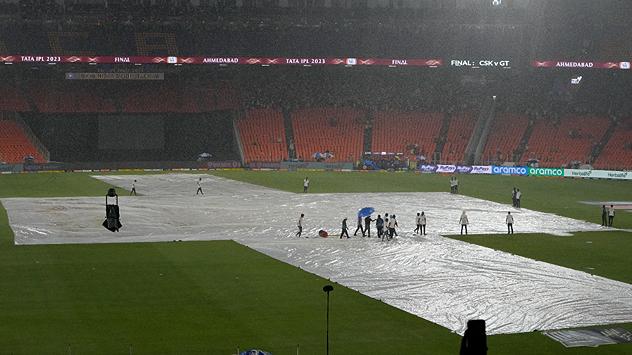
Cricket is often called a game of skill, strategy, and patience — but nature itself can be one of its biggest influencers. Weather and pitch conditions play a vital role in determining how a match unfolds, affecting players’ performances, team strategies, and even the outcome of the game. Understanding these elements is essential for captains, coaches, and fans alike to truly appreciate the dynamics of cricket.
The Role of Weather in Cricket
Weather can dramatically alter the flow of a cricket match. Factors like humidity, temperature, wind, and cloud cover have a direct impact on how the ball behaves and how players perform.
Cloud Cover and Swing Bowling
Overcast conditions are known to favor swing bowlers. When the sky is cloudy, the ball tends to move more in the air, making Jeetbuzz it difficult for batters to predict its path. This is why teams often prefer to bowl first when clouds are present, as the moisture in the air helps fast bowlers extract more swing. Conversely, on bright and sunny days, the ball swings less, giving batters an easier time to play their shots.
Rain and Its Consequences
Rain is one of the most unpredictable factors in cricket. It can interrupt play, reduce overs, or even wash out entire matches. When the ground gets wet, it becomes slippery, making fielding and bowling more challenging. Matches affected by rain are often decided using the Duckworth-Lewis-Stern (DLS) method, which recalculates targets based on the number of overs lost — sometimes leading to dramatic and controversial finishes.
Wind and Ball Movement
Wind direction and speed can also influence the game. A strong breeze can aid swing bowlers, helping the ball move more sharply through the air. Batters, on the other hand, often use the wind to their advantage when hitting lofted shots, especially when playing with the wind behind them.
Understanding Pitch Conditions
While weather affects the air above the ground, the pitch determines how the ball behaves after it bounces. The type of soil, amount of grass, moisture content, and level of preparation all influence the game’s balance between bat and ball.
Green Tops
Pitches with a green surface tend to favor fast bowlers. The grass helps the ball skid and seam off the surface, making life difficult for batters early on. Such pitches are commonly found in countries like England and New Zealand, where conditions are cool and moist.
Dry and Cracked Surfaces
In contrast, dry pitches — often seen in countries like India and Australia — are a paradise for spin bowlers. As the match progresses, the surface begins to deteriorate, creating cracks that cause unpredictable bounce and sharp turn. Batters must rely on technique and patience to survive on such tracks, especially in the later stages of a Test match.
Flat Tracks
Flat pitches, usually found in limited-overs formats, are designed to encourage high-scoring games. These surfaces have Jeetwin minimal grass and even bounce, allowing batters to play through the line comfortably. While fans love the flurry of boundaries, bowlers often struggle to make an impact unless they rely on variations and accuracy.
How Captains Adapt Strategies
Smart captains always consider weather and pitch conditions before making critical decisions like the toss. Choosing to bat or bowl first depends heavily on these factors. For example, a captain may opt to bowl first under cloudy skies to exploit swing conditions or bat first on a dry pitch to avoid deterioration later in the game.
Field placements and bowling changes are also influenced by the conditions. Teams may use more seamers when the pitch is green and damp, or introduce spinners early when the surface is dry and rough.
The Impact Across Formats
In Test cricket, where matches last up to five days, conditions change significantly over time. The first day might favor fast bowlers, while spinners dominate the final days. In One Day Internationals and T20s, the shorter duration means teams must quickly adapt to immediate conditions — often within a single innings.
For instance, in day-night matches, dew becomes a major factor. Bowlers find it difficult to grip the wet ball, giving an advantage to the team batting second as the ball slides onto the bat more easily.
Conclusion
Weather and pitch conditions are the silent forces that shape every cricket match. They test the adaptability, awareness, and skill of players and captains alike. From the cloudy mornings of Lord’s to the dry heat of Chennai, every venue tells its own story through its conditions.
Cricket, at its core, is not just about bat and ball — it’s about how humans battle nature’s elements while striving for perfection. And that is what makes the sport endlessly fascinating.
